
The Latino Vote Is Not a Loyalty Card

By Israel Concha | Founder and Executive Director of New Comienzos
November 4, 2026

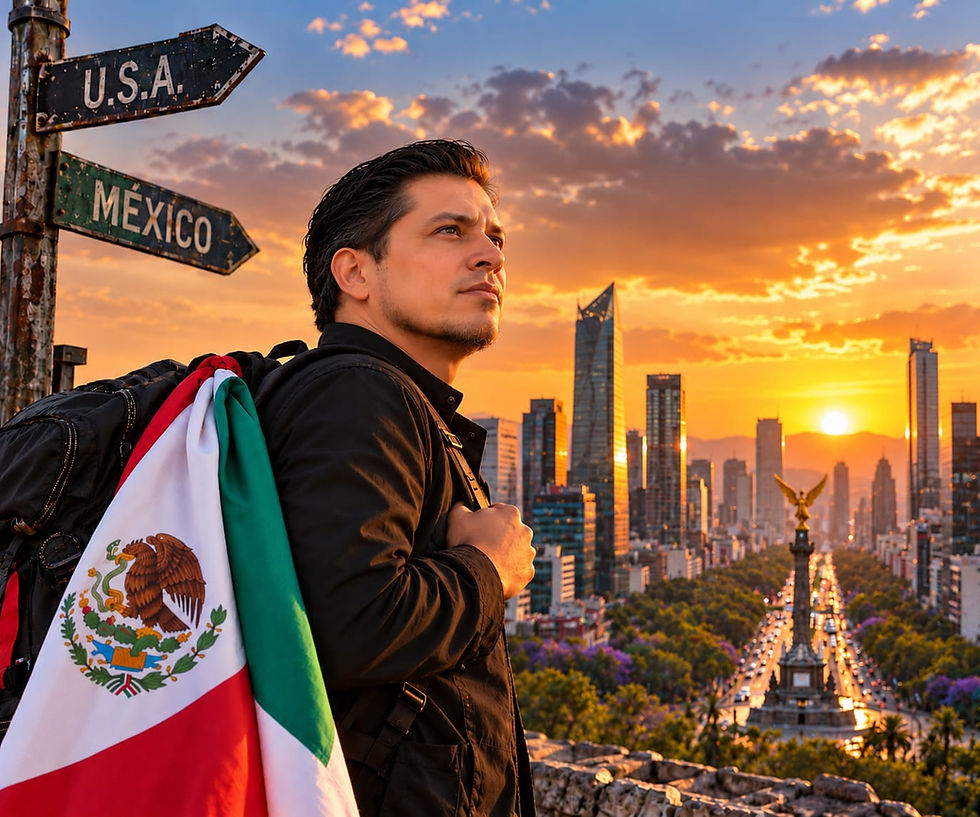
Latino voters participate in the U.S. electoral process. The 2026 midterms reshaped control of Congress and renewed questions about what both parties must deliver for Hispanic families.
Yesterday, America voted. By this morning, the political landscape had changed dramatically. Democrats had won control of both chambers of Congress, flipping Senate seats and more than two dozen House districts as voters delivered a clear message of dissatisfaction with the direction of the country.
But if Washington looks at these results and concludes simply that Latino voters “came back” to the Democratic Party, I believe it will miss one of the most important lessons of this election.
The Latino vote is not a loyalty card.
It belongs to no political party. And perhaps that is one of the healthiest developments in American politics.
Latino voters are moving — and that is the story
According to the AP Voter Poll, roughly six in ten Hispanic voters supported Democratic candidates for the U.S. House this year. That represents a significant movement from 2024, when Republicans made major gains with Latino voters.
In places such as Texas, communities that had moved sharply toward Republicans in 2024 shifted substantially in the opposite direction two years later. Those changes should not be read as permanent loyalty to either party. They should be read as evidence that Latino voters are evaluating results.
It would be easy for one political party to celebrate and the other to panic. Both reactions would miss the larger lesson: Latino voters are becoming voters whose support must continually be earned.
Our community is not one political identity
Hispanic America is extraordinarily diverse. We are Democrats, Republicans and independents. We are business owners and hourly workers. We are immigrants, U.S.-born citizens, veterans, students, parents and families who have lived in the United States for generations.
We can be conservative on one issue, progressive on another and pragmatic on many others.
What increasingly connects us is not a party label. It is everyday life.
Can I afford my rent? Can I buy groceries without choosing which bill goes unpaid? Can I find a job that allows my family to move forward? Can my children receive a good education? Can I start a business? Can I afford health care? Can my family remain financially stable when an immigration-related separation changes our household overnight?
The election was also about the kitchen table
CBS News exit polling found broad economic anxiety across the electorate. Voters were concerned about groceries, gasoline, utilities and the cost of living, and more voters said their personal finances had become worse rather than better.
That matters for Latino families because immigration is important, but it is not the only issue shaping our lives.
For years, politicians have often spoken about Latino voters primarily through the lens of immigration. Yet Latino families also wake up thinking about mortgages, rent, jobs, childcare, education, transportation, health care and whether there will be enough money left at the end of the month.
A family worried about deportation may simultaneously be worried about losing the household’s primary income. A U.S. citizen child whose parent is deported still has to wake up the next morning and go to school. A U.S. citizen spouse left behind still has to pay the rent. Grandparents may suddenly become caregivers.
A household that was financially stable on Monday can find itself in crisis by Friday.

2026 U.S. midterm election results: Democrats secured control of both chambers of Congress. Results reflect reported race calls as of Nov. 4, 2026.
Immigration policy has a family side
This is where I believe our national conversation needs to mature.
Immigration policy cannot be discussed only in terms of borders, enforcement numbers and court cases. There are human and economic consequences inside American communities as well as on the other side of the border.
In the United States, U.S. citizen family members and their households may suddenly need employment opportunities, emotional support, food and housing resources, mentoring, financial stability and connections to trusted community organizations after a loved one is deported.
In Mexico, the person who returns may need identification, housing, employment, mental-health support, education, professional networks and something much harder to put on a government form: a sense that life is not over.
That is why I believe reintegration must become part of the immigration conversation.
What happens after deportation?
For decades, America has invested enormous political energy debating what happens before and during deportation. We spend far less time asking what happens afterward.
But deportation does not end when an airplane lands or someone crosses a border. That is often when the next crisis begins.
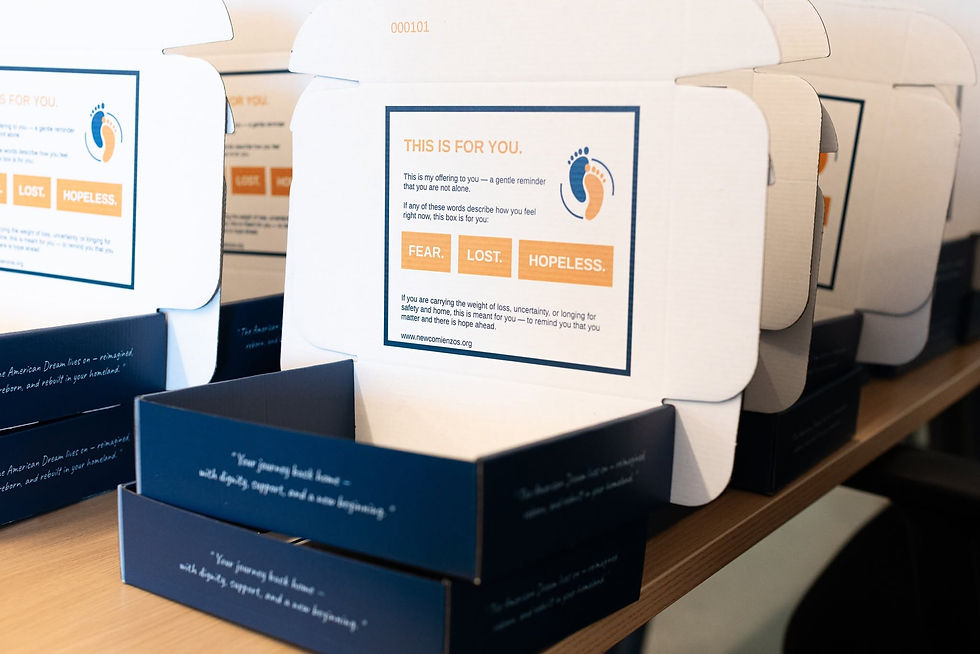
At New Comienzos, our work increasingly reflects this binational reality: helping U.S. citizen family members and families in American communities navigate stability on one side, while helping people returning to Mexico rebuild with dignity and opportunity on the other.
Those are not competing ideas. They are two parts of the same family story.
A message for both political parties
Republicans should not assume the gains they made with Latino voters in 2024 created permanent loyalty.
Democrats should not assume the gains they made in 2026 mean Latino voters have permanently returned.
The movement between these elections suggests something more important: Latino voters are willing to compare promises with results. They are asking whether their families are actually better off.
That should be welcomed.
Democracy is stronger when communities cannot simply be placed permanently into a red box or a blue box. Our votes should have to be earned again and again.
What our community should expect
Our community should expect more than slogans, fear or political theater. We should expect results.
Better jobs. Affordable communities. Strong schools. Safer neighborhoods. Opportunities for entrepreneurs. Support for families facing separation. A functioning immigration system. And real pathways for people rebuilding their lives after returning to their countries of origin.
Yesterday’s election changed who controls Congress. But elections alone do not change a family’s life.
Policy does. Opportunity does. Community does. And ultimately, results do.
Perhaps the most important message Latino voters sent yesterday was not that they had chosen one political party over another. It was that they are willing to keep choosing.
Washington would be wise to start listening.


Comments